If there is one logistical truth we learned from our five years of continuous life on the move, it is that planning your rv site booking ahead saves your sanity.
Even though we are now stationary, our hands-on experience navigating campground bookings remains a vital tool to help ensure your next open-road adventure runs smoothly.
Shifting Gears After Tax Season
Time flies! Five years ago, I was nearing the end of what ended up being my last tax season, working for a central Florida niche auditing and assurance firm. The deadline for corporate tax returns had just passed, most of the work was done for the season, and we just needed to finish individual returns for our corporate clients.
Around that same time, “The Man” and I began talking about traveling in an RV. We loved to watch those high-energy RV shows on cable networks like GAC.
They would interview families, depict them traveling in massive Class A buses, and show them camping in the most beautiful, pristine campgrounds. We would talk late into the night about how awesome it would be to buy our own camper and travel full-time.
Down the Research Rabbit Hole
I absolutely love to deep-dive into research, and I am a massive fan of Wikipedia. “The Man” and I will be watching something on TV, and I’ll immediately pull up Google on my phone just to start searching something I saw on the screen.
This habit always leads me down an information rabbit hole—and not just one, but dozens. I usually end up spending the entire evening reading about the background of the show or movie instead of actually watching it!
Once we officially decided we wanted to travel, one of the first things we did was research the distinct camper styles:
- Class A, B, and C motorhomes
- Toy haulers
- Travel trailers
- Fifth wheels
Initially, “The Man” was only interested in travel trailers because they can be towed with smaller-sized pickup trucks. I fiercely wanted to look at fifth wheels too, but he shot that down real quick.
However, one weekend we were at a dealership near Tampa, and on a whim, he decided to step inside a fifth wheel. He fell in love instantly. The tall headroom, the large residential showers, and the king-sized bed eliminated any further talk of travel trailers from the discussion.
Although we didn’t have anywhere near the knowledge we have now, we weren’t naive or illusioned by reality TV. Having lived in Florida for decades, we were no strangers to RVing or the varying degrees to which people adopt the lifestyle. It attracts an incredibly diverse group of people, each with their own unique sub-cultures.
The Golden Rule: Plan Your RV Site Reservations Early
One thing I knew before we turned the key was how vital research and advanced bookings are. For one thing, not all campgrounds are open year-round. For another, the truly popular destinations book out instantly.
My first husband and I used to tent camp during the winter in south Florida. (Pro-Tip: DO NOT tent camp in Florida during the summer! It is hot, muggy, and aggressively buggy). We lived near Jonathan Dickinson State Park, one of the largest state recreation areas in south Florida, and frequently camped at its developed loops.
If you want to camp in the winter in a warm climate like Florida, securing rv site reservations requires major advanced planning:
- Booking Windows: Federal and state campgrounds typically open their booking windows six months to a full year in advance.
- High-Demand Hubs: Prime spots fill up fast. Shorter waiting lists exist for legendary destinations like Bahia Honda State Park or virtually any campground in the Florida Keys—public or private.
- The Alternative: Unless you have unlimited funds or don’t care about the safety and quality of your park, winging it usually lands you in glorified asphalt parking lots right next to dump stations.
Smart Ways to Save Money Seasonal Camping
RVing can be extremely expensive, but transition strategies exist to protect your wallet. One of the best ways to save money is to pick a specific region and stay for an entire season rather than constantly bouncing from destination to destination.
Many campgrounds offer dedicated seasonal sites at deeply discounted monthly rates. By using a single campground as your stationary “base of operations,” you give yourself four to six months to thoroughly explore the surrounding area without towing your home every week.
How to Snag a Coveted Seasonal Site
Florida and Arizona are absolute meccas for winter “snowbirds” who chase the warm weather south. Because seasonal sites are premium assets, the best resorts maintain multi-year waiting lists. Here is an insider tip to bypass the line:
- Call at Closing Time: Contact the front office at the very end of their active camping season.
- Inquire About Non-Renewals: Resorts usually give current seasonal campers first dibs on reserving their site for the following year.
- Get on the Shortlist: By the final week, the front office has a highly accurate idea of which campers are not returning, allowing you to grab an opening before it hits their public website.
Securing Our Very First Base
Since our initial goal was to see as much of the country as possible, we looked for a winter campground with seasonal rates far away from Florida.
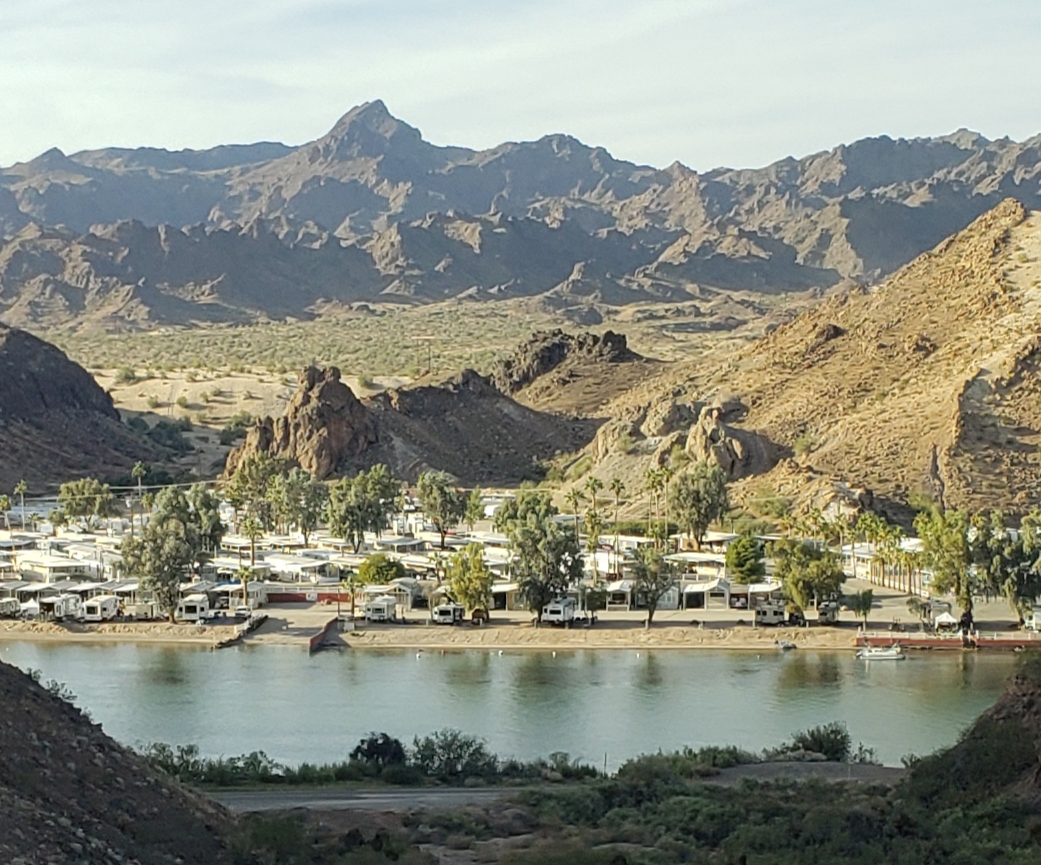
We settled on a popular portion of the Colorado River known as the Parker Strip. “The Man” discovered a beautiful waterfront resort called Echo Lodge and quickly contacted them about winter availability.
They happened to have a couple of open sites left. He immediately paid the deposit, and we officially locked in our first five-month winter campsite.
We didn’t even own an RV yet, but we had a rock-solid plan, an itinerary, and the most important asset of all: our rv site reservations.